
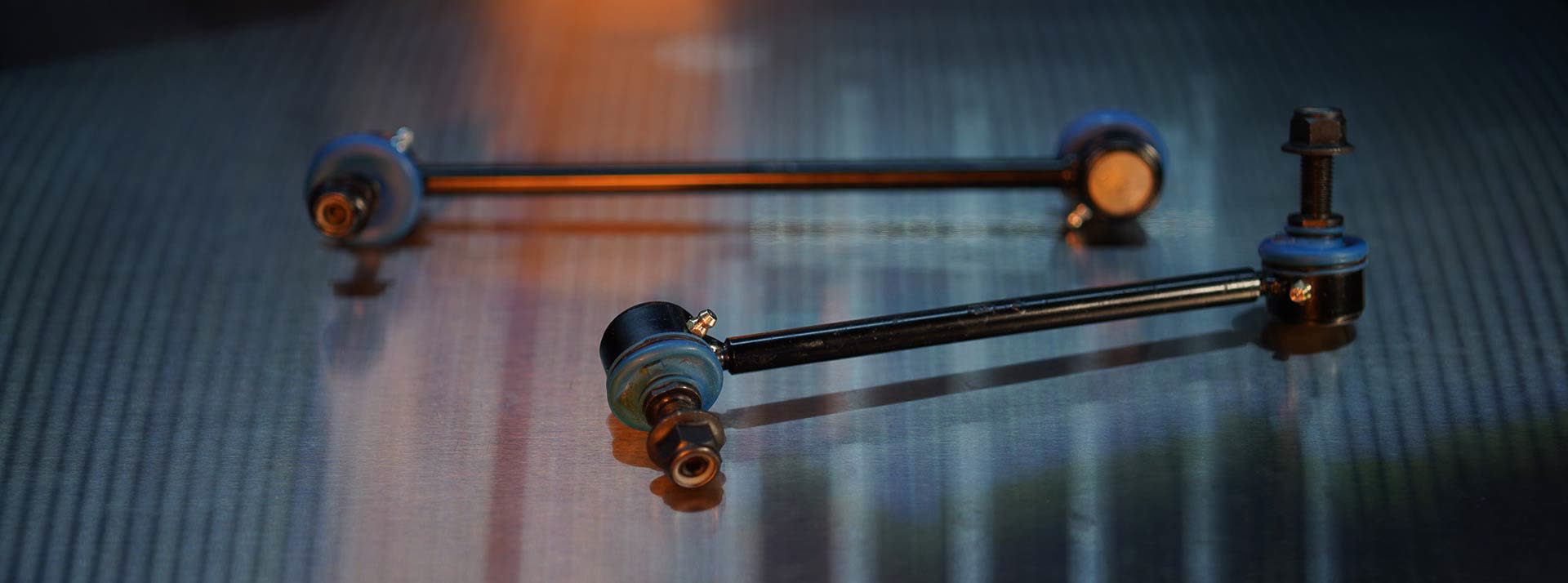
STABILIZER LINKS
BUILT TO CONTROL BODY ROLL
ENGINEERED FOR TECHNICIANS
Enhanced body. Increased stiffness.
Reduces vibration to restore a smooth, easy ride.
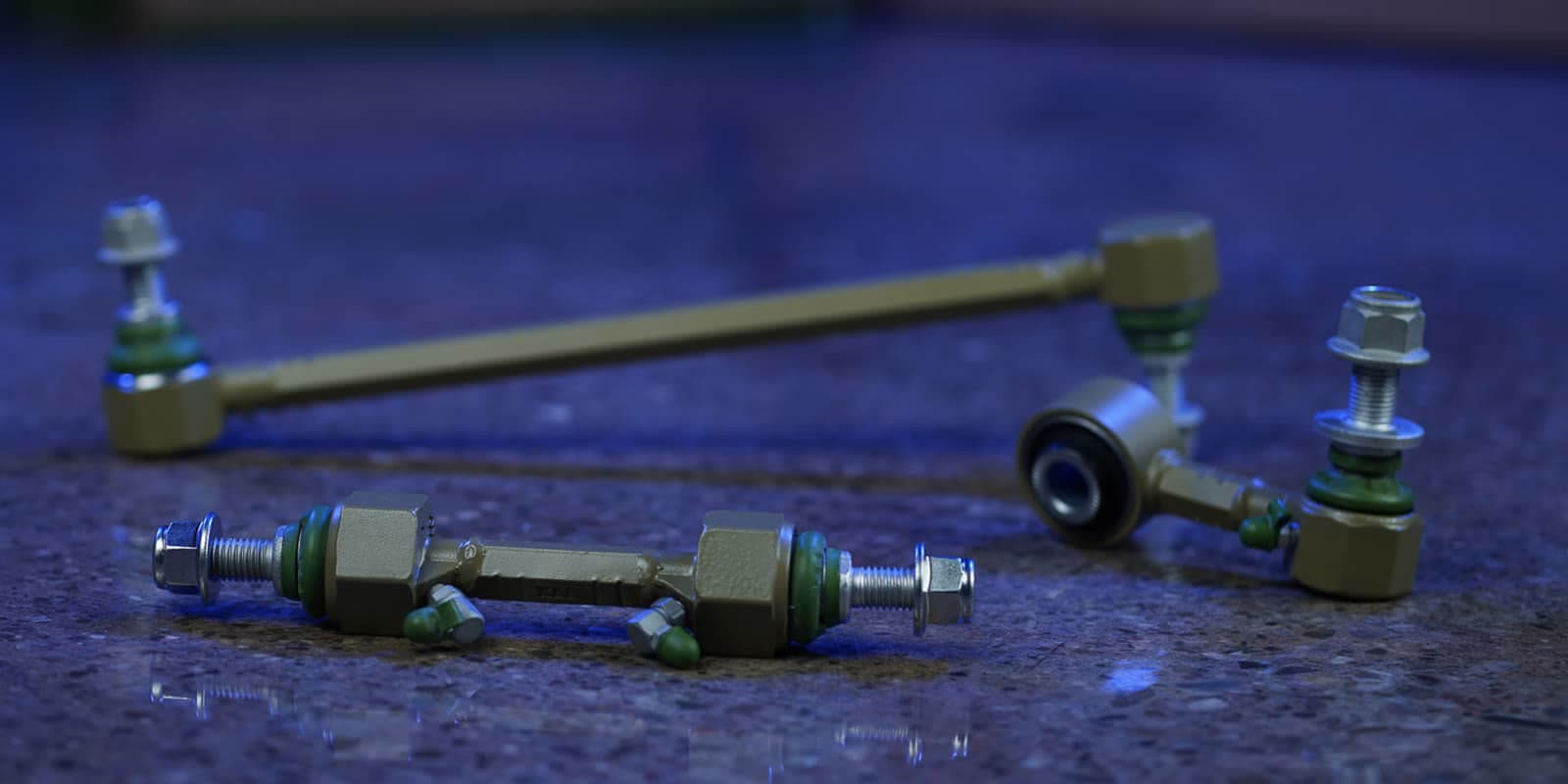
TTX
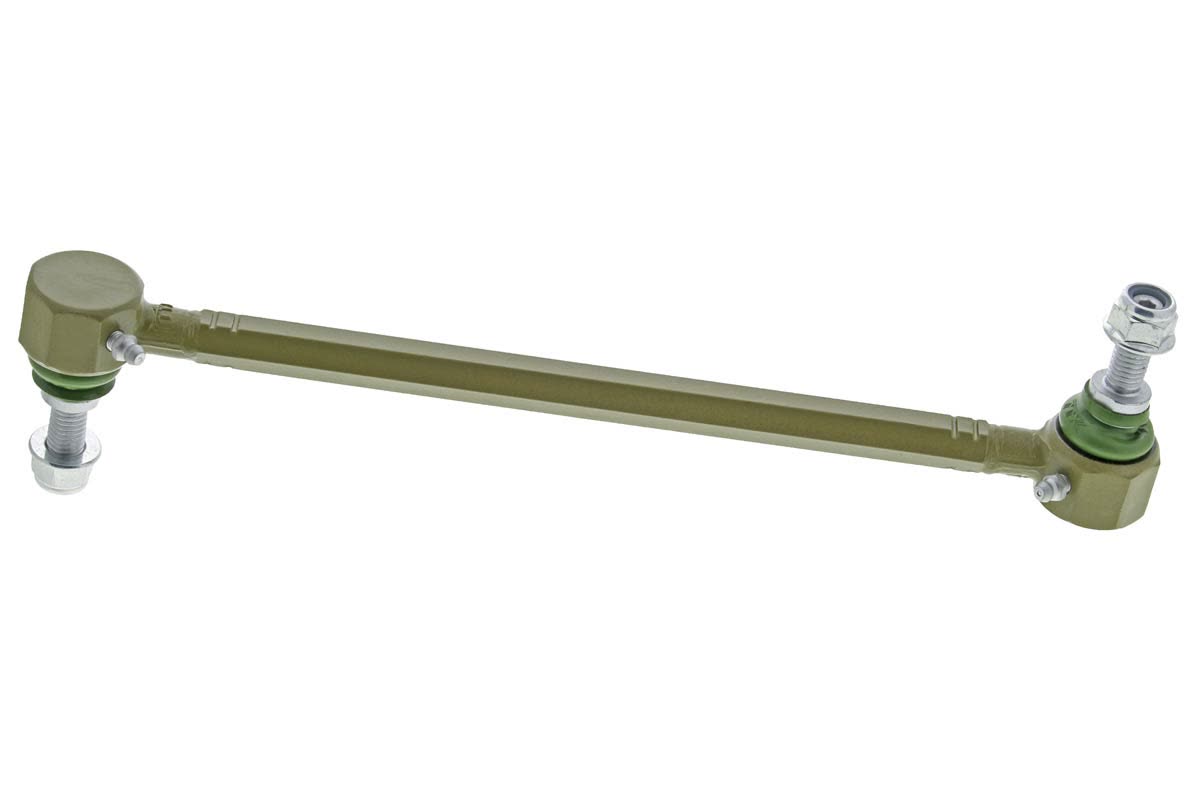
- Inside: Self-lubricating patented sintered bearings
- Serviceable ball joint
- Thicker hex forging increases assembly strength
- PWR-TEK system – high strength alloy steel
- Inside: Larger diameter ball pin optimizes pressure distribution
- Locking nut makes installation faster and easier
- Integri-Boot™ locks out moisture and contaminants
- Repel-TEK™ anti-corrosion coating
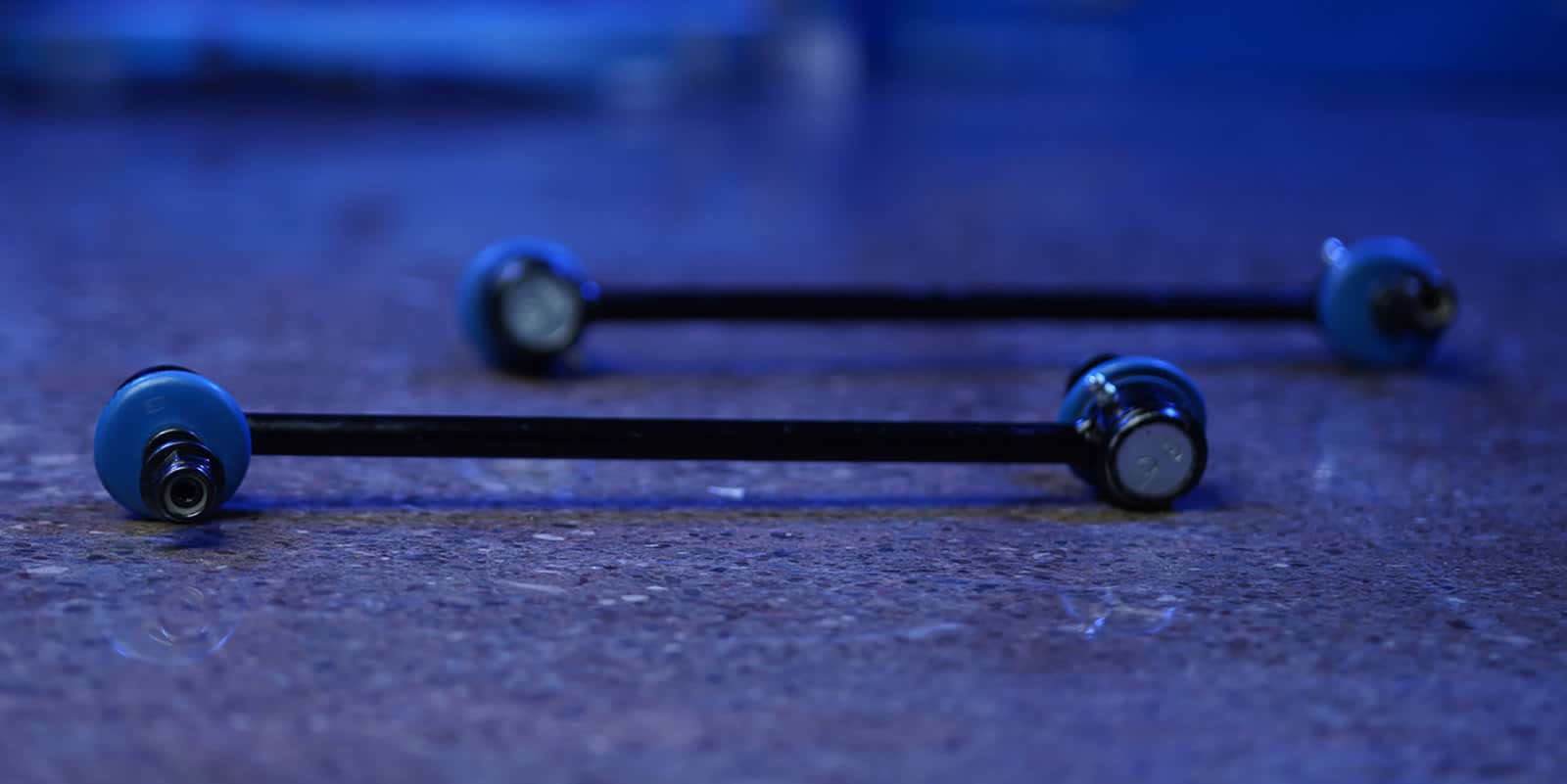
SUPREME
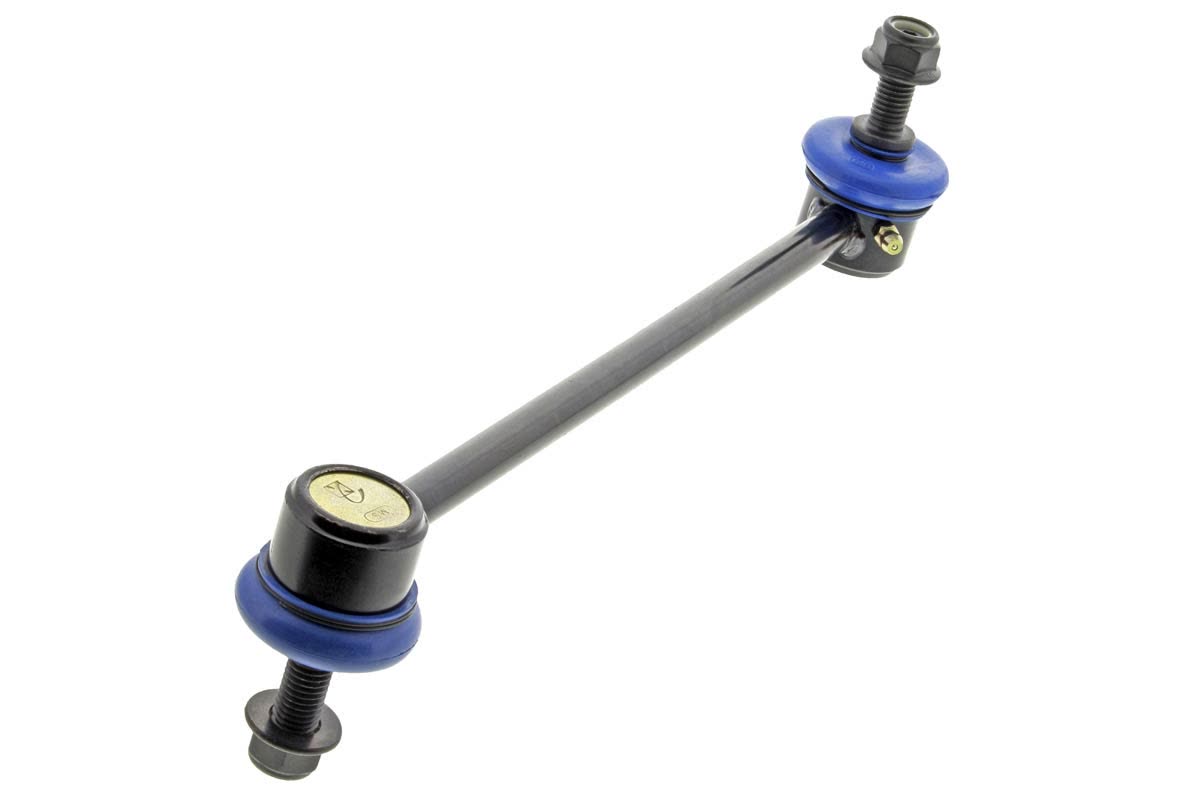
- Inside: Self-lubricating sintered bearings
- Serviceable ball joint
- Thicker Rod minimizes loading and flex
- Inside: Larger diameter ball pin optimizes pressure distribution
- Long lasting anti-corrosion protection
- Labor Saver hardware included for quick and easy install
OG
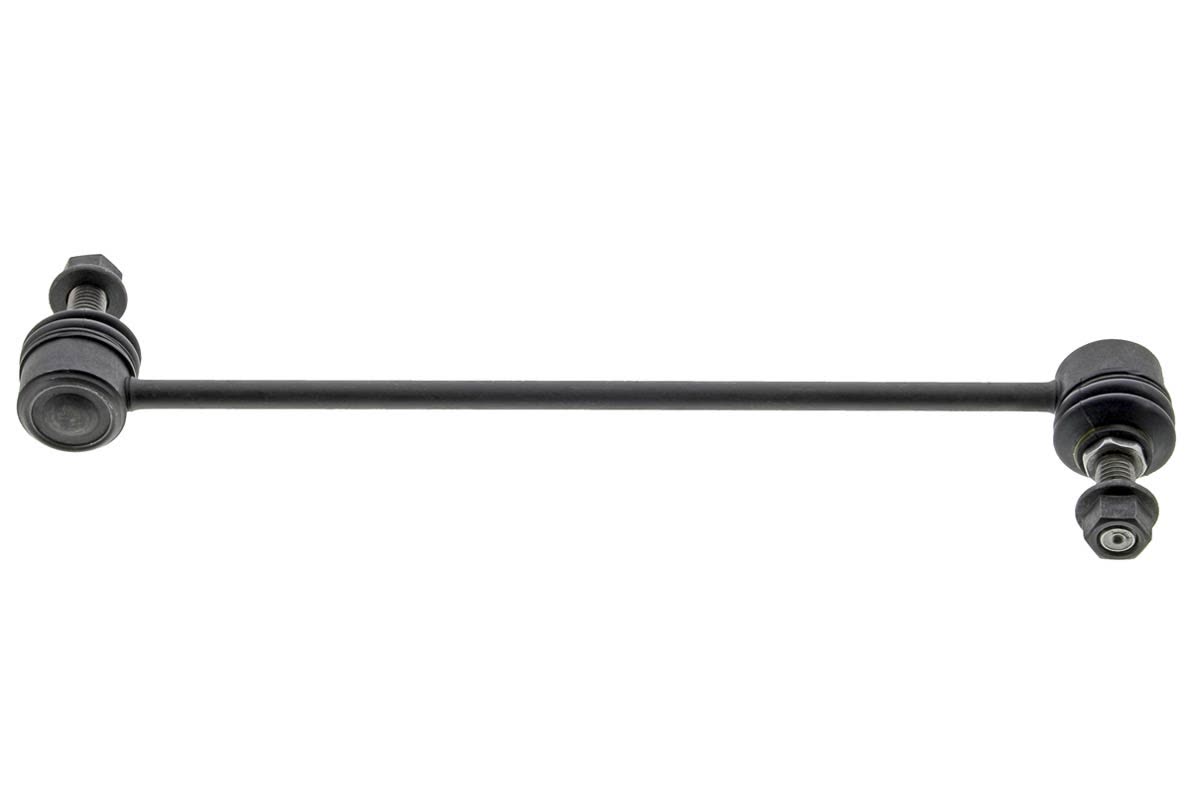
- Essential hardware included for quick and easy install
- Protective anti-corrosion surface coating
- Designed to meet or exceed OE specs for fit, form and function
- Nylock nut keeps fasteners secure and vibration resistant to improve holding strength.
Driven by Innovation
There are no limits. With 13+ patented chassis technologies and over a thousand first-to-market exclusives, our innovations meet tough aftermarket challenges head on.
Rigorous Testing
Extensive in-house and third-party durability testing ensures ultimate performance and strength.
Engineering you can count on for a smooth ride.
TTX
TTX delivers. Strength, endurance and performance for the toughest jobs.
Supreme
Superior durability, tested endurance and unsurpassed quality. Ready to go right out of the box.
Original Grade
OE-Grade performance backed by design excellence. Restores performance, handling and ride.
Why Are Stabilizer Links Important?
In conjunction with a stabilizer bar and stabilizer bushings, stabilizer links reduce your vehicle’s body roll by transferring lateral force to the opposing side during a corner or turn. Typically, one end of the stabilizer link is mounted to the stabilizer bar, while the other is connected to a suspension component on the wheel side.
A stabilizer link connects both the left and right suspensions to the stabilizer bar.
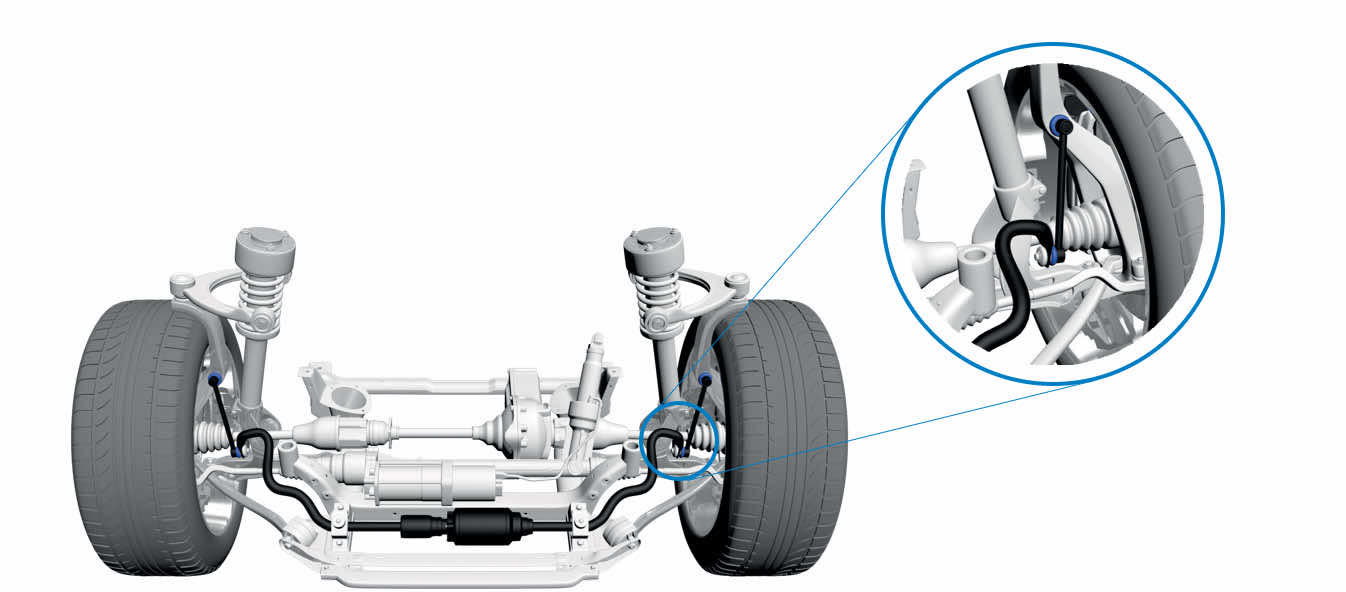
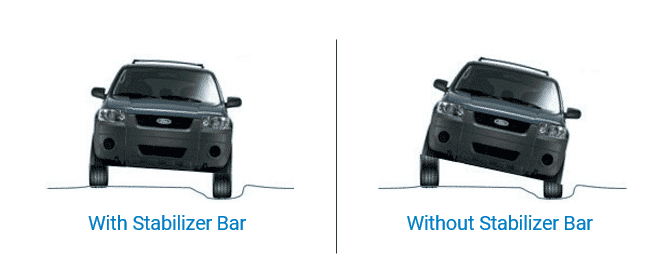
By connecting the left and right suspensions of the vehicle to the stabilizer bar, stabilizer links maintain the wheels at the same height and reduce vehicle body roll.